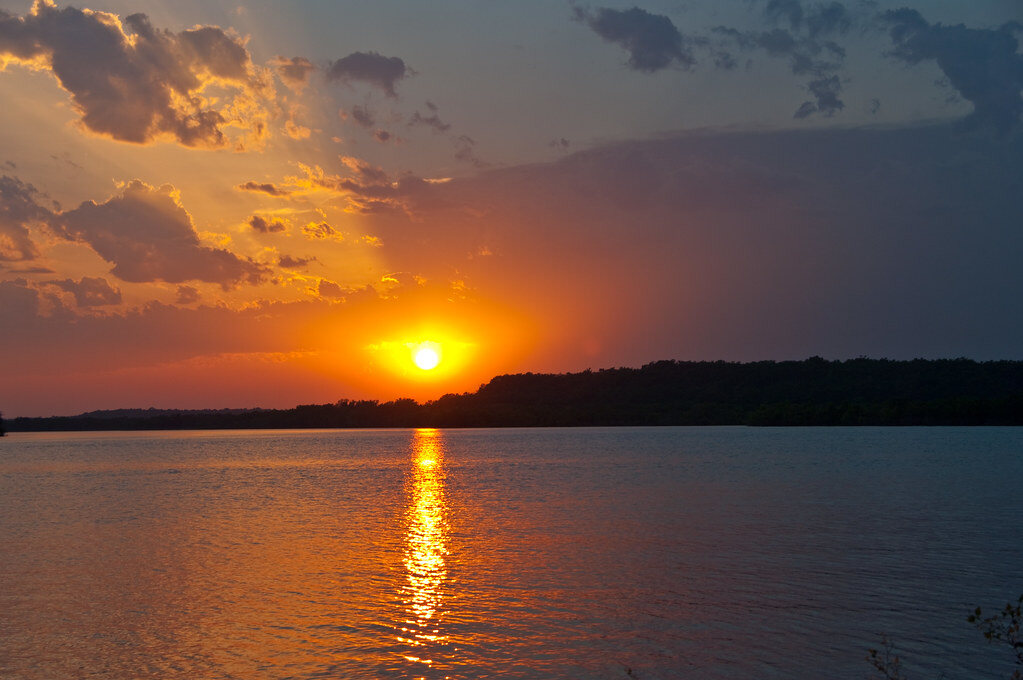
Crappie fishing on Oologah Lake
This is a crappie-first guide service. Kevin chases slabs twelve months a year, and every trip is built around one promise: you'll leave able to find fish without him.
How a trip works
Trips run five hours, any day but Saturday, launching from whichever Oologah ramp puts us closest to fish that week — that gets settled when you book. The boat is rigged with current Lowrance electronics, including forward-facing live sonar, and carries everything you need: rods, reels, jigs, minnows, and life jackets. You bring a valid Oklahoma fishing license, food and drinks, and weather-appropriate clothes.
From the first stop, the screen faces you as much as it faces Kevin. You'll watch brush piles slide by underneath, see schools stacked in the timber, and learn the difference between a wad of shad and a pod of keeper crappie. Then you drop a jig and watch the fish come meet it — live, on screen, before you ever feel the thump.
What Kevin teaches on every trip
- Understanding live sonar — reading forward-facing sonar and 2D, judging fish size, and knowing when to stay or go.
- Crappie patterns — how depth, season, water temperature, and lake level decide where Oologah's crappie live this week.
- Methods of catching crappie — vertical jigging over brush, tight-lining minnows, jig colors and sizes that work in Verdigris River water.
- Understanding crappie — why they suspend, when they feed, how fronts change the bite, and how to think like the fish instead of just casting at them.
A year of crappie on Oologah
Spring (March–May): the famous run. Fish stage on creek-channel edges, then flood the shallows to spawn when water temperatures climb through the 50s and 60s. Numbers and size are both at their best.
Summer (June–August): crappie pull out and stack up on deeper brush piles and standing timber. This is where live sonar shines — find the loaded pile, keep the jig right in front of them, and fill the boat while shore anglers sweat.
Fall (September–November): shad push back into the creeks and the crappie follow. Cooling water means feeding fish and some of the most underrated fishing of the year.
Winter (December–February): big fish suspend out over deeper water and channel edges. Slow presentations, watch the screen, and pick off slabs one by one. Kevin fishes all winter — dress warm and come catch the biggest crappie of your year.
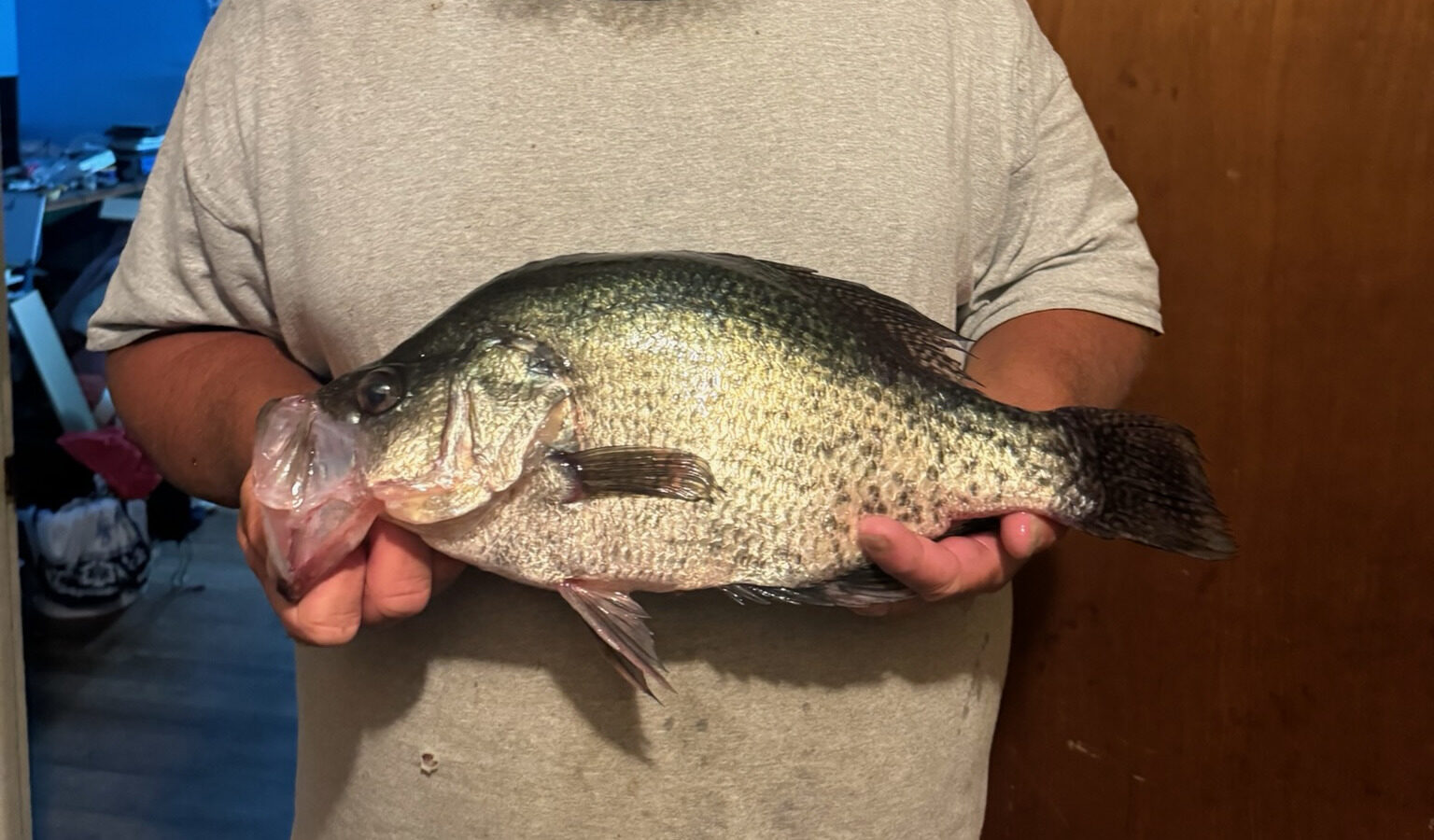
Slabs, not just numbers
Oologah grows heavy white crappie and black crappie, and Kevin's approach — find the school, read the size on sonar, work the biggest marks — means you spend your five hours on quality fish instead of dinks. When a gallon jug looks small next to your crappie, you're on the right lake.
See trip pricingGraduate from the trip, not just take one.
Plenty of people book Kevin twice: once to catch fish, and once more with their own boat questions — waypoints, electronics settings, seasonal game plans. That's the point. This is guided fishing that works itself out of a job.
Bring your questions
Thinking about buying live sonar? Spend a trip using it before you spend thousands on it.
Kids welcome
Crappie fishing is fast, visual, and kid-perfect. A trip with Kevin makes new lifelong anglers.
Leave with dinner
Add fish cleaning for $50 and take home ready-to-cook crappie fillets — the best-eating fish in fresh water.